Hydration: A Critical Need for Seniors
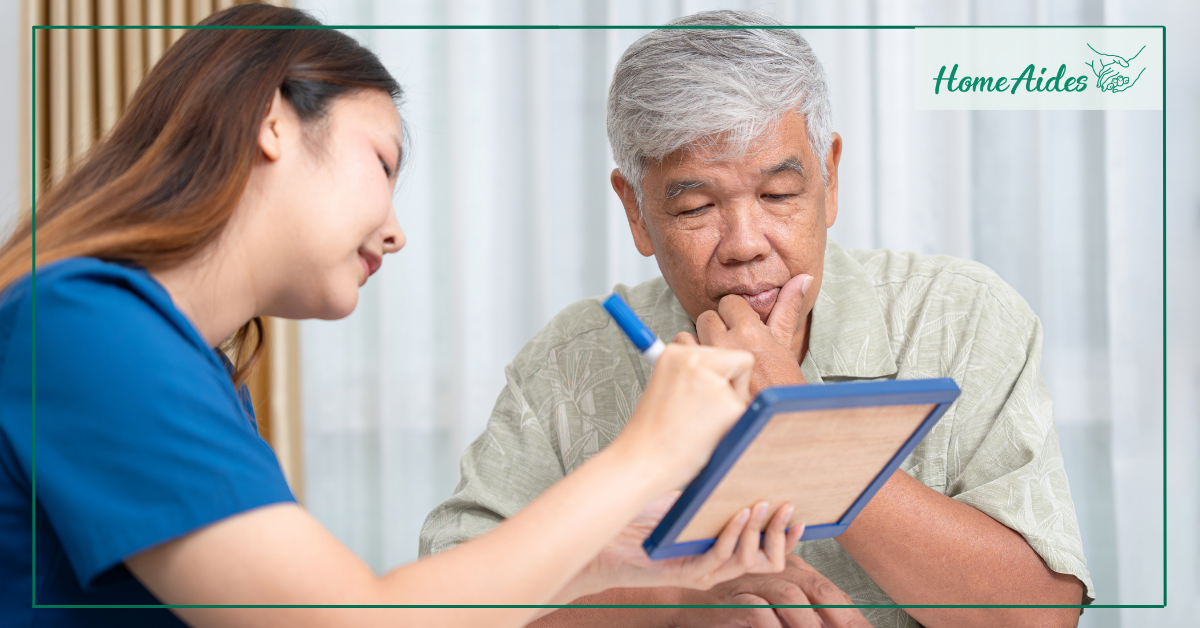
“Good morning, Jake,” greeted his caregiver, Brandon. “Did you watch the Seawolves last night?”
“You know I did!” responded Jake with a chuckle. “Fell asleep in my chair. My grandson was watching it with me. He had to wake me up to go to bed, if that makes any sense!”
Brandon raised a blind, then stepped into the kitchen to get a fresh glass of water for Jake. When he returned with the water, Jake drank a few swallows and set it on the end table.
“What’s the big deal about water? I’m not even thirsty.”
“Staying hydrated is more important than people realize,” Brandon told him. “It does a lot more than quench your thirst . . .
Drinking enough water each day helps –
- Keep your digestive system healthy. It can reduce heartburn, bloating, and gas while maintaining regular bowel movements.
- Improve your blood circulation, which means your heart doesn’t have to work as hard, and your brain receives more oxygen, increasing your mental clarity and energy.
- Flush toxins from your body, helping to prevent illness.
- Lubricate your joints. Approximately 70-80% of your cartilage is composed of water, so drinking enough helps reduce muscle cramps and joint pain.
- Dilute mineral concentration in your urinary tract and flush bacteria from your bladder, which helps prevent kidney stones and urinary tract infections.
- Regulate your blood pressure and body temperature, which helps your heart stay healthier.
- Maintain skin elasticity, helping to prevent dryness and wrinkles.”
“My goodness! Drinking water is more important than I realized, but how can I know if I’m drinking enough?” asked Jake.
“There are lots of ways to record your water intake. For example –
- If you have a 16-oz reusable water bottle, put four rubber bands around the upper half of your bottle. Every time you refill it with water, slide one rubber band down. If you get all the rubber bands down by the end of the day, you know you drank 64 oz. of water.
- Keep a notepad beside your chair. Every time you finish a glass of water, put a check mark on your pad. If you are using an 8-oz glass, aim for eight check marks; if it’s a 12-oz glass, aim for 5–6 check marks.
- One of my clients has two small jars, one empty and one with marbles. Every time he drinks a glass, he moves one marble to the empty jar. If he has moved all the marbles over by the end of the day, he knows he drank enough.
I’ll be happy to help you come up with a plan.”
“I think I like the check marks the best,” responded Jake. “I always did like numbers! But my memory isn’t as sharp these days. How will I know if I’m not getting enough water?
Here, drink a glass of water while we go over a few of the signs of being dehydrated,” said Brandon with a wink and a smile. “Waiting until you feel thirsty isn’t enough. Pay attention to what your body is telling you. For example –
- Is your mouth dry?
- Do you feel like your tongue is sticking to the roof of your mouth?
- Are you more tired than usual?
- Do you feel dizzy?
- Do you have trouble concentrating or feel confused?
- Do you feel like you are easily irritated?
- Do you feel like your heart is racing?
- Have you noticed your urine being darker in color?
“Of course, each of these symptoms can be a sign of other issues, but if you are noticing them, pay attention to your water intake. I’ll help you.”
Hydration is crucial for seniors, but keeping track of everything needed for good health can be overwhelming. HomeAides is an ideal source for helping seniors stay at home and healthy. Our caregivers can help you take care of yourself! Contact us today. We will match you with the caregiver who's right for you.